
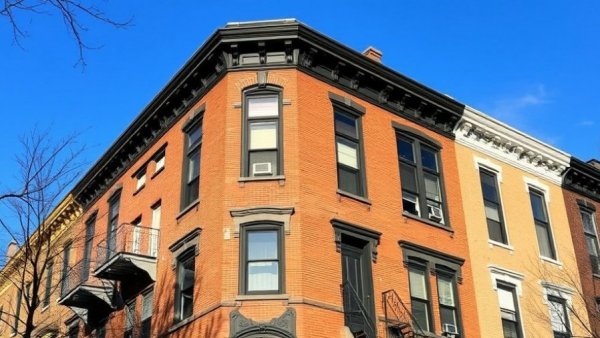
Understanding Eviction Rights for Rent-Stabilized Tenants
In New York City, rent-stabilized tenants enjoy distinct protections against eviction that differentiate their rights from those living in market-rate apartments. For anyone new to rent stabilization, grasping these rules is vital for ensuring your housing security.
Key Grounds for Eviction
While rent-stabilized tenants can rest easier knowing they're protected, it's important to understand that eviction is viable under specific circumstances. The most common reason for eviction is non-payment of rent. Often, tenants may withhold rent as a negotiation tactic with their landlord, hoping to resolve unresolved issues concerning their residence. However, consistent failure to pay rent, especially when agreed upon in a payment plan, leaves tenants vulnerable to eviction.
Leasing and Residency Requirements
Another crucial aspect is the requirement for tenants to occupy their apartment for at least six months each year. If a landlord suspects that a tenant spends more time elsewhere, they can initiate eviction processes claiming the apartment is being used as a non-primary residence. It's advisable for tenants to keep documentation, such as bank statements, indicating their primary residence to preempt challenges.
Tenant Behavior and Lease Violations
Furthermore, lease violations can also lead to eviction. Common breaches include unauthorized sublets or engaging in illegal activities like drug dealing, which can provoke landlords to issue eviction notices. However, minor nuisances, such as excessive clutter, may not automatically warrant eviction if they can be resolved.
Future of Rent-Stabilization and Eviction
As NYC continues to evolve, the recent legislative changes make it evident that landlords have less incentive to evict tenants due to stricter rent increase regulations. With these legal frameworks in place, rent-stabilized tenants are empowered to feel secure in their homes, supporting long-term community stability.
By staying informed and proactive about rights and responsibilities, tenants can enjoy the benefits of rent stabilization and foster a secure residential environment.





Write A Comment