
Understanding Distressed Property Records: Are They Worth Your Investment?
In the competitive arena of real estate, particularly with distressed properties, the importance of thorough record analysis cannot be understated. A distressed-property record is often misconstrued as a viable investment opportunity, but as many seasoned investors can attest, it is merely a first step. Analyzing these records before spending resources—be it on skip tracing, mail campaigns, or even initial outreach calls—is imperative in distinguishing a bona fide opportunity from a dead lead.
The Critical First Step: Source Document Examination
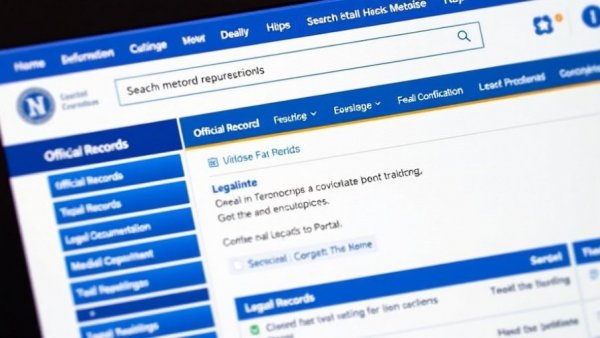
The initial misstep many make is starting with what's presented in an online spreadsheet rather than tracing back to the source document. This document provides essential details like case numbers and parcel identifiers, anchoring your investigation. Each data point can lead you back to the county office where the real story is hidden. Most states offer online access to this information for free, allowing you to verify critical questions about the record's nature, filing date, involved parties, and the property or properties in question.
Differentiating Between Record Types
Understanding the nuances between different types of records is crucial. For example, a lis pendens signifies that a lawsuit affecting the title is pending; however, it does not guarantee that the property owner wishes to sell. In non-judicial states, the timeline progresses differently concerning a notice of default. Therefore, before leaping into action based solely on a record's presence, one must unpack what it genuinely denotes.
Common Pitfalls: Name vs. Parcel Matching
Among the most significant errors in analyzing leads is the tendency to rely heavily on names rather than verifying the parcel associated with the record. Names—especially common ones—are not reliable identifiers. This is particularly true for land, where many parcels may not have ever been assigned a street address. Mistakes made here can lead to exploring irrelevant leads and ultimately wasting valuable time and resources.
In conclusion, an astute investor recognizes the importance of validating distressed property records before any financial outlay. By carefully scrutinizing source documents, differentiating between record types, and matching records correctly, investors can avoid pitfalls that often ensnare the unwary. These measures not only save time but also create pathways to potentially lucrative real estate ventures.




Write A Comment